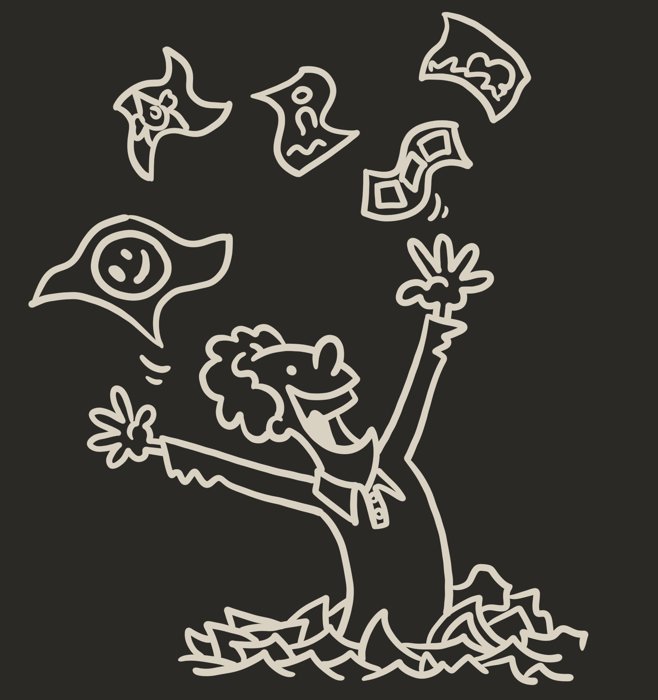
Comic strips, single-panel gags, and cartoon-inspired art from the drawing desk of J. Francis. Whatever's on the drawing board this week — a strip, a gag panel, or something closer to fine art — it ends up here first.

A brief history of cartoons
The word "cartoon" started out meaning something quite different from a gag panel. In the Renaissance, a cartone was simply a large sheet of heavy paper — a full-scale working drawing that an artist used to plan a fresco, tapestry, or stained-glass window before committing to the real thing.
These sheets were working documents, not finished art: pricked, chalk-dusted, and pounced through onto plaster or canvas so the design could be transferred at full size, then usually discarded once the real surface was underway. Raphael's surviving cartoons for the Sistine Chapel tapestries are some of the rare exceptions that were kept and prized in their own right, which is part of why the word survived at all.
Enter satire
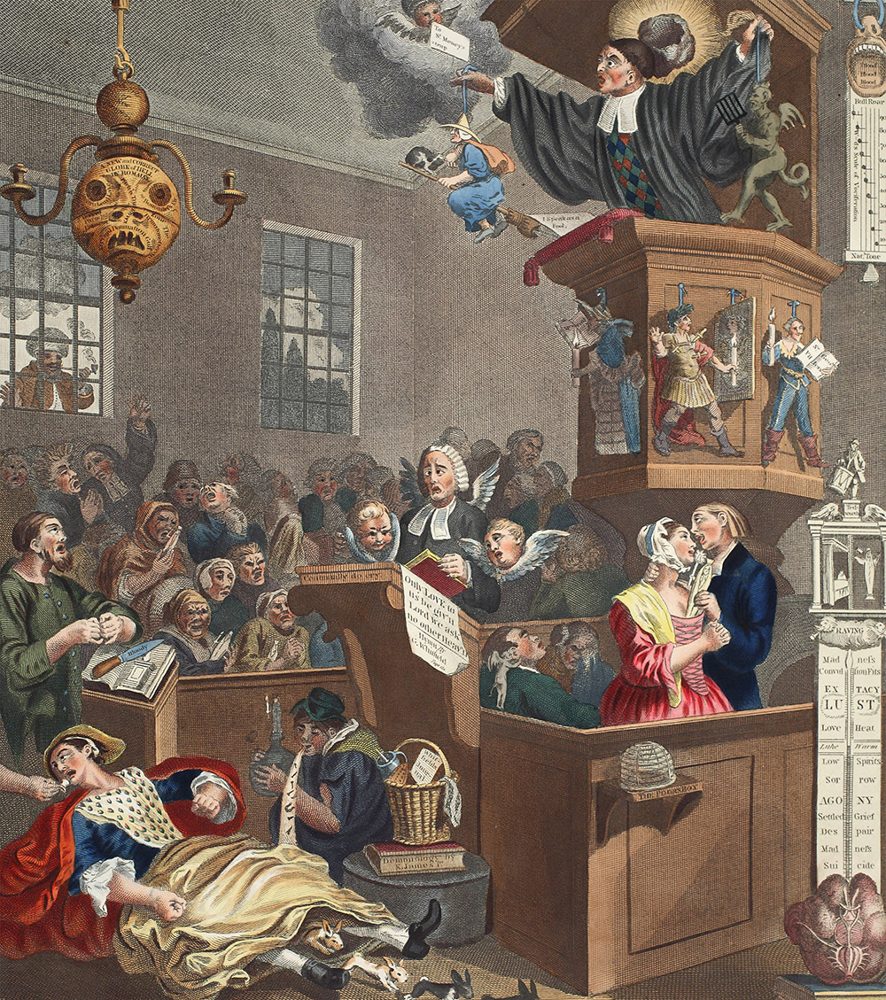
By the 1700s, English printmakers like William Hogarth had turned engraving into a tool for social commentary — crowding a single sheet with exaggerated faces, moral warnings, and sly visual jokes aimed at the follies of the day. It is this tradition of pointed, popular satire, more than the Renaissance cartone, that set the tone for the cartoons we would recognize today.
Hogarth sold his prints cheaply and in sequence, so a series like A Rake's Progress could be followed almost like a story, panel by panel, rather than admired as a single image. That instinct — using a run of pictures to build a narrative a viewer could read for themselves — is arguably closer to a modern comic strip than anything the word "cartoon" had meant up to that point.
The name arrives
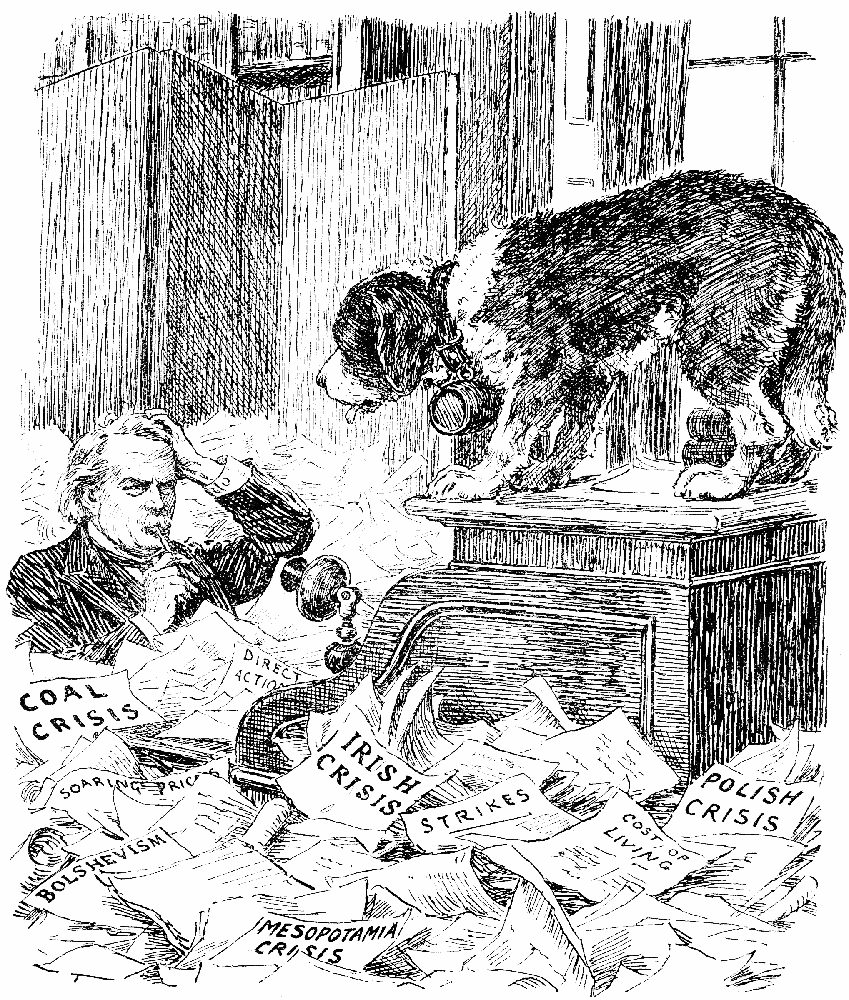
The word we use today comes from a joke. In 1843, the British magazine Punch poked fun at a set of grand fresco designs on show for the new Houses of Parliament, calling its own satirical sketches "cartoons." The label stuck, and Punch spent the next century defining what a political cartoon looked like — a single, crowded, pointed image, needing no caption to land.
The joke worked because it flattened two very different things into one word: the earnest, technical cartone of a fresco painter, and a magazine's sarcastic little sketch of a politician. Once the second meaning won out in everyday use, "cartoon" was free to drift even further, from newspaper satire into the comic strip and, eventually, into animation.
Into the funny pages
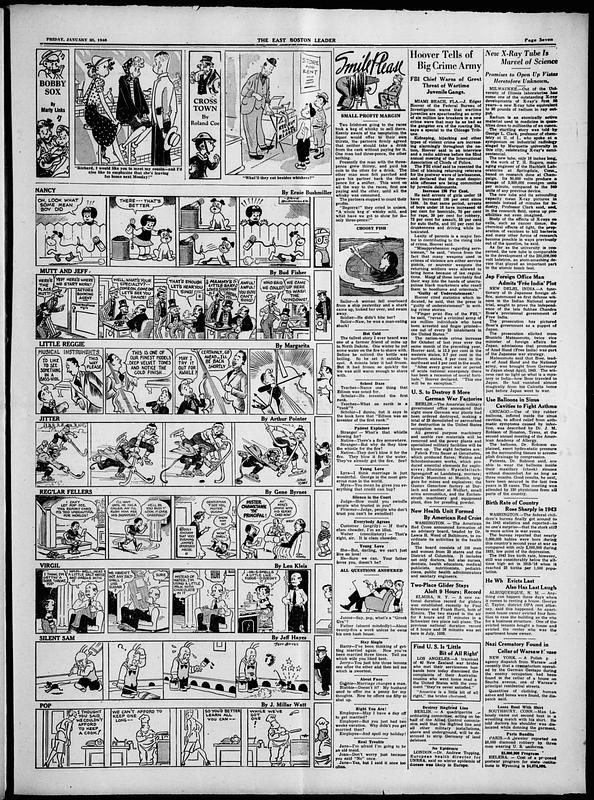
Once newspapers realized readers loved cartoons, they wanted more than one a week. By the early 1900s, American papers were running daily strips — small, recurring casts of characters trading gags in three or four panels, printed alongside the news. It's a format built for repetition and habit, and it's the direct ancestor of the strip and gag-panel tradition BabylonSticks works in today.
Sunday editions went further still, giving strips a full page in color and turning cartoonists into some of the most widely read artists of their time. Readers followed the same characters day after day the way they'd follow a serial radio drama, and that daily rhythm — a small, complete joke or beat delivered on schedule — is still the basic unit most comic strips are built from.

Cartoons, everywhere
A century on from the funny pages, cartoons no longer live only in newspapers. They sell cereal, decorate airplanes, run whole television networks, and shape how billions of people spend their screen time. The line from a Renaissance working drawing to a plane painted with cartoon characters is a strange one — but it's still, at bottom, a few confident lines doing a lot of work.
What hasn't changed is the underlying trick: a handful of simple marks standing in for a whole face, a whole mood, a whole situation, instantly readable at a glance. Whether it's chalk on a fresco sheet, ink on a newspaper page, or vinyl on the side of a plane, that same economy of line is doing the job it always has.
Read the strip. Sign up for more.
Occasional dispatches from the drawing desk — new comics, single panels, and the odd bit of fine art, sent whenever there's something worth sending.
Browse the gallery